Nigeria Football Needs Structural Reform, Not Another Quick Fix
Nigeria's football problems cannot be solved by changing one coach or reacting to the latest poor result. The bigger question is whether the structures responsible for running and developing the game are fit for purpose.
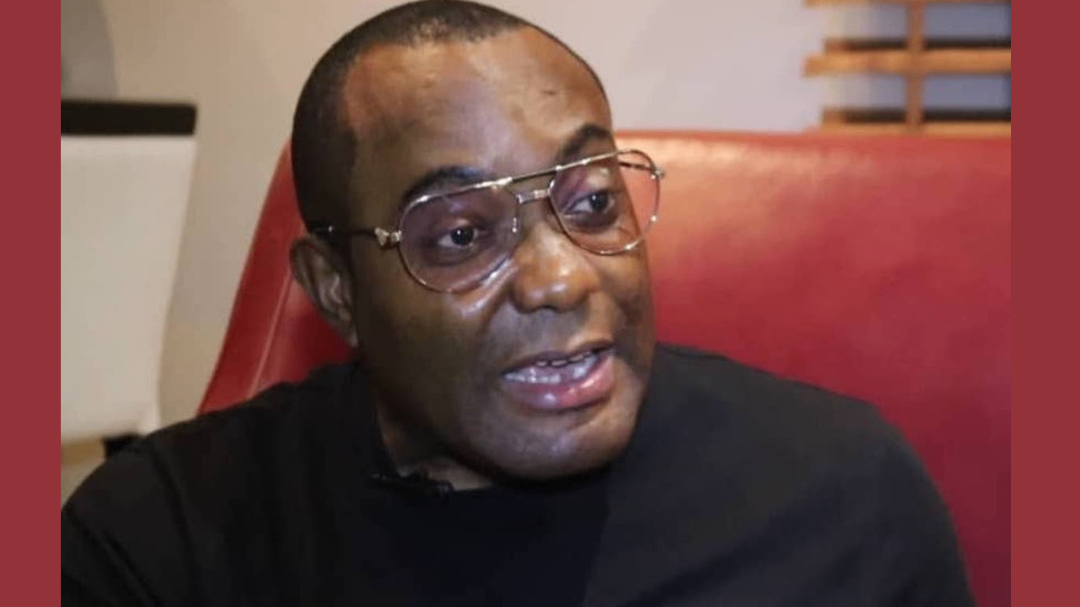
That is the argument at the centre of the Leadership report featuring sports infrastructure expert Ebi Egbe, which calls for an administrative overhaul as part of the response to the difficulties facing Nigerian football.
The debate comes at a time when Nigerian football is under pressure to improve its administration, infrastructure and long-term planning. Those issues stretch beyond the Super Eagles and into the systems that support clubs, players, facilities and grassroots development.
Egbe's intervention puts administration at the centre of that conversation. The argument is straightforward: better football requires better structures around the game.
That means looking beyond match-day results and examining how decisions are made, how football infrastructure is maintained, how talent is developed and how the different levels of the game are connected.
Nigeria has never lacked football talent. The harder task has been turning that talent into a reliable football system that can produce results consistently.
The need for reform has also featured in wider discussions about Nigerian football. Recent reporting and commentary have pointed to governance, infrastructure, player development and administrative continuity as areas requiring attention.
For Nigeria, the challenge is therefore bigger than rebuilding a national team. It is about building a football system capable of supporting success when the headlines have moved on.