Fulham Were Right to Feel Robbed by VAR Against Chelsea
Fulham’s biggest grievance against Chelsea was not that they lost. It was that they were denied the chance to find out what might have happened if Josh King’s goal had been allowed to stand. That distinction matters because the decision was not merely controversial. PGMOL chief refereeing officer Howard Webb later admitted that it was wrong.
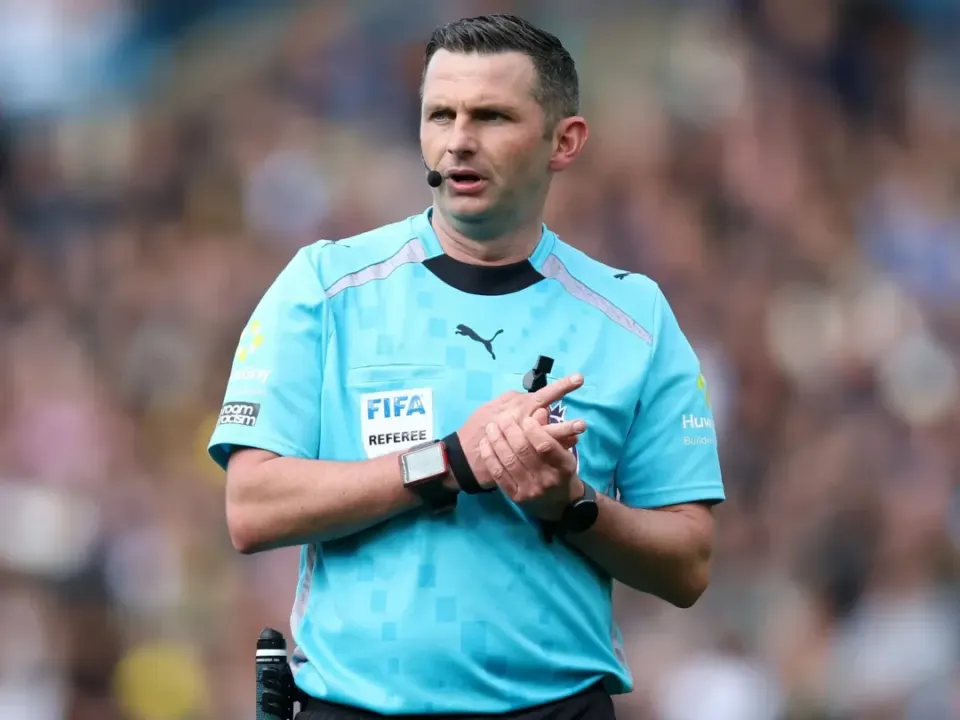
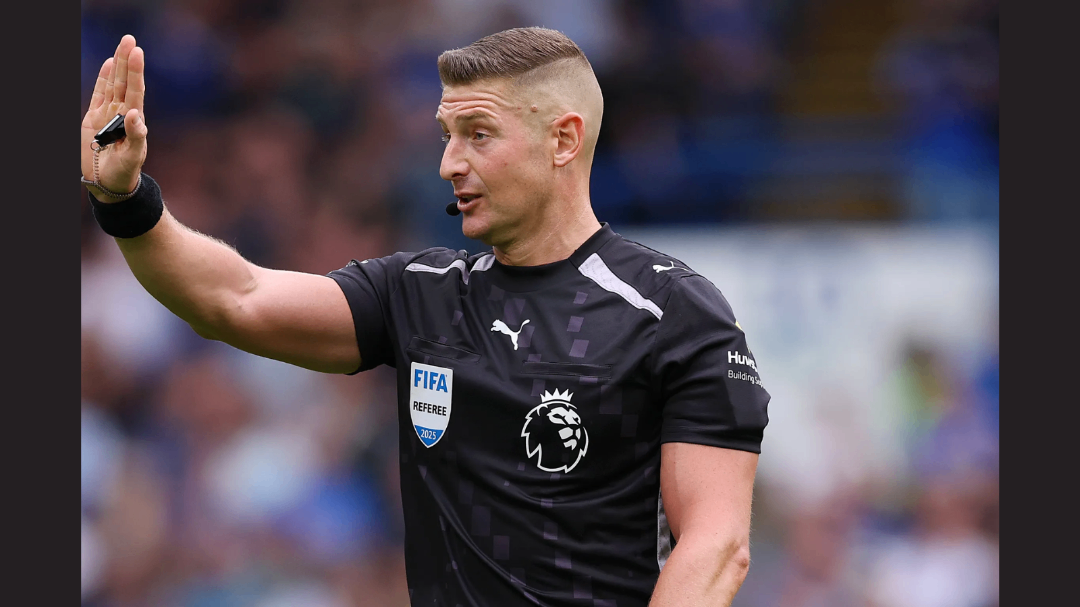
King’s finish in the 21st minute looked like the breakthrough Fulham deserved after a lively start at Stamford Bridge. Sander Berge released the teenager on the counter, and King finished past Robert Sánchez. The goal was then overturned after VAR Michael Salisbury asked referee Rob Jones to review Rodrigo Muniz’s contact with Trevoh Chalobah in the build-up. The referee judged Muniz to have made a careless challenge by stepping on Chalobah’s foot.
The problem with the decision is not that contact should never be reviewed. It is that VAR became too involved in an incident that did not meet the standard for overturning a goal.
Howard Webb effectively confirmed that himself. On the Premier League's Match Officials Mic'd Up, he said the officials had failed to follow the established guidance and had made a misjudgement by concentrating on the contact between Muniz and Chalobah without considering the wider context of the movement. He also stressed that VAR should operate with a high threshold for intervention, particularly when taking away a goal.
That is the part that makes this incident difficult to defend. VAR is supposed to correct clear mistakes, not turn every piece of contact into a second opportunity to referee the game. If the on-field decision is not clearly wrong, the original decision is supposed to have significant protection. In this case, the intervention itself became the problem.
And the timing made the decision even more damaging for Fulham. Chelsea eventually won 2-0, but Joao Pedro did not put Chelsea ahead until nine minutes into first-half stoppage time. Enzo Fernández then added a second-half penalty. The Premier League's match report also noted that Fulham had been the better side for large periods of the first half, while Marco Silva said his team had been "outstanding" before the break.
That does not mean Fulham were guaranteed to win if King's goal had counted. Football does not work that way. Chelsea could have equalised. Fulham could have collapsed. The game could have finished 1-1 or 3-1.
But that is exactly why the goal should have stood.
Fulham earned the right to play the rest of the match with a 1-0 lead. VAR removed that opportunity over an incident its own refereeing chief later accepted had been judged incorrectly. Chelsea's victory remains in the record books, but the clearest argument from the match belongs to Fulham: the technology designed to eliminate major mistakes made one of the game's biggest decisions worse.