River vs. Barracas Central: The Penalty That Never Came, and Argentine Football's VAR Problem

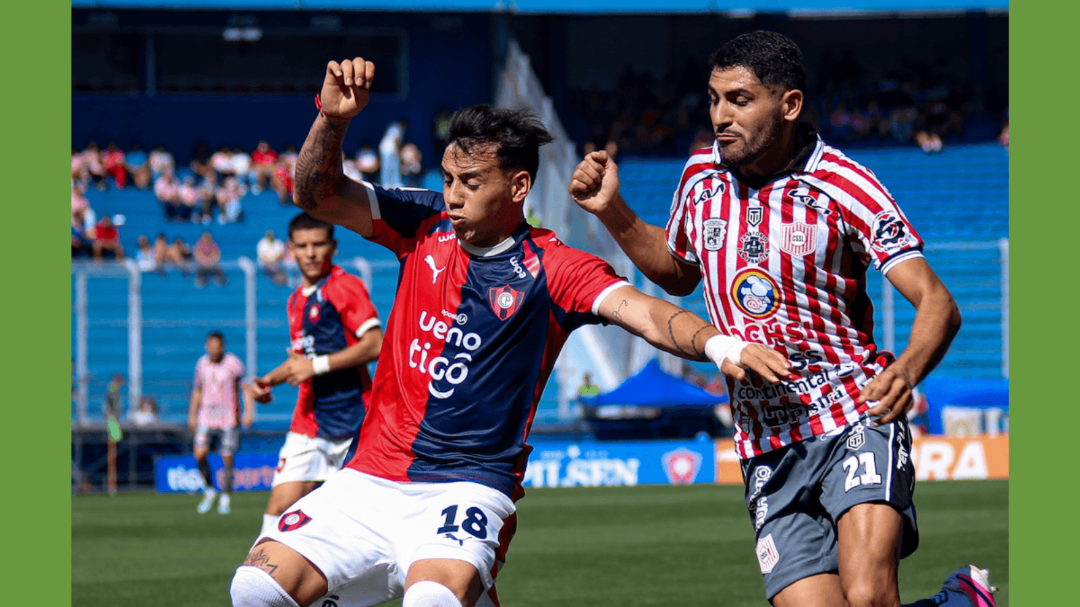
River Plate lost its opening game of the Torneo Clausura 2026 to Barracas Central, 1-0, at home. That much isn't in dispute. What's still being argued a week later in Núñez is a shove that happened seconds before halftime, and what it says about how Argentine football applies the tool it built to settle exactly these arguments.
A shove nobody called
Gonzalo Morales, a forward who came through Boca's academy, scored the only goal of the night in the 21st minute, finishing off a rebound to give Barracas Central its first-ever win over River at the Monumental, according to La Nación. River spent most of the rest of the half looking for an equalizer and thought they'd found one when Lucas Martínez Quarta headed in a Lautaro Pereyra cross, only for the goal to be ruled out for offside, a call VAR officials Pablo Echavarría and Mariana De Almeida got right, since the position was a straight line-and-frame decision with no room for interpretation, as La Nación laid out in its breakdown of the match's key moments.
Minutes later, right before the whistle for the break, Pereyra drove into the box and was shoved off the ball by Barracas defender Rafael Barrios. Referee Nazareno Arasa waved play on. Neither Echavarría nor De Almeida called him over to look again. River's players surrounded Arasa. He didn't move.
Nicolás Otamendi, playing his first match for River after six days off the back of a World Cup final with the national team, wore the captain's armband and spent the second half chasing an equalizer that never arrived.
The same booth got the next one right
Here's what makes this specific case worth writing about instead of just another Monday complaint. Within the same ten minutes, the exact same VAR team made a correct, quiet, largely unremarked-upon call to disallow River's own goal for offside, and an inconsistent, loudly contested non-call to leave a penalty shout unexamined. One was a measurement. The other was a judgment. VAR was sold to fans as a way to remove the second kind of doubt from the game, not just add camera angles to it.
That's the actual argument, and it isn't really about River, or Barracas, or Arasa specifically. It's that Argentine football, like plenty of leagues before it, has built a system that is excellent at drawing lines and inconsistent at reading contact. A shove in the box either warrants review or it doesn't, and that standard needs to hold whether the shove happens to Barracas Central's forward in the 21st minute or to River's in the 45th. Right now it doesn't, and everyone in the Monumental that night, including the guy who'd played a World Cup final six days earlier, could tell the difference between a machine being precise and a crew choosing when to use it.
The fix isn't complicated to describe, even if it's hard to execute: publish the review criteria, apply them the same way to every shove and every handball regardless of the club or the minute, and let the VAR booth's silence carry the same weight as its intervention. Until that happens, the technology isn't removing controversy from Argentine football. It's just giving the controversy better footage.